

Understanding the Role of an Architect: Architectural Professional Responsibilities
When we think about architecture, the first images that often come to mind are stunning buildings, sleek skylines, or cozy homes with perfect layouts. But behind every beautiful structure lies a complex web of decisions, creativity, and technical expertise. Architects are the masterminds who weave these elements together, transforming abstract ideas into tangible spaces. Today, let's dive deep into the world of architecture and explore the architectural professional responsibilities that shape our built environment.
The Foundation of Architectural Professional Responsibilities
Architecture is much more than just drawing blueprints or selecting materials. It’s a multifaceted profession that balances art, science, and human needs. At its core, the role of an architect is to create spaces that are not only visually appealing but also functional, safe, and sustainable.
Architectural professional responsibilities include:
Conceptual Design: Crafting the initial vision for a project, considering aesthetics, purpose, and context.
Technical Planning: Developing detailed plans, specifications, and construction documents.
Regulatory Compliance: Ensuring designs meet local building codes, zoning laws, and safety standards.
Project Management: Coordinating with contractors, engineers, and clients to keep the project on track.
Sustainability: Integrating eco-friendly materials and energy-efficient systems.
Client Advocacy: Representing the client’s interests throughout the design and construction process.
Think of an architect as a conductor of an orchestra, harmonizing various elements to create a symphony of space. Each responsibility is a vital instrument that must be played with precision and care.
What Does an Architect Exactly Do?
If you’ve ever wondered what does an architect do on a daily basis, the answer is both simple and complex. Architects wear many hats, and their tasks vary depending on the project phase.
Early Stages: Vision and Feasibility
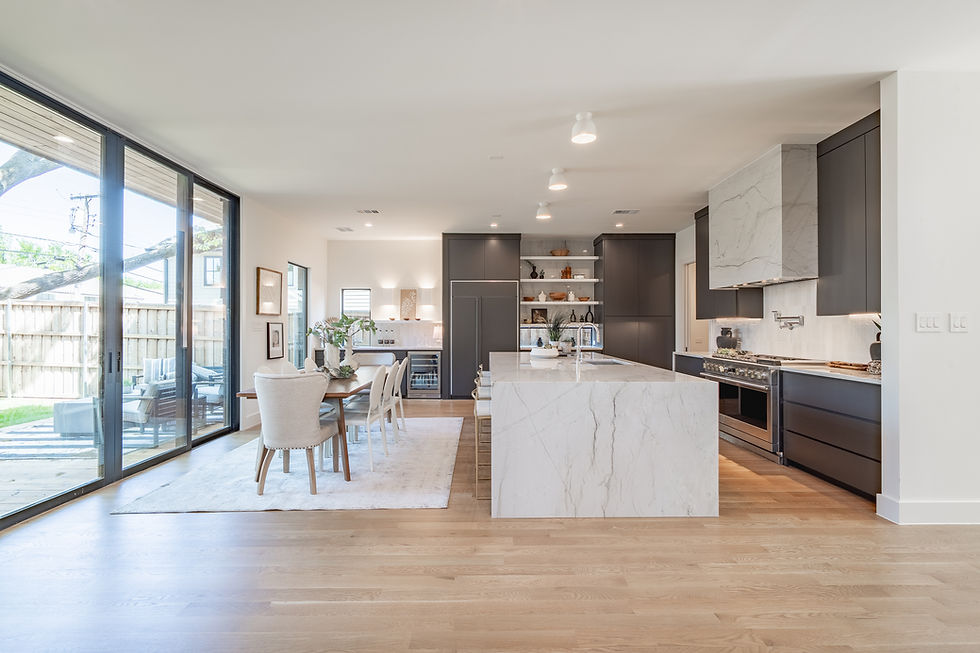
At the beginning, architects meet with clients to understand their needs, desires, and budget. This phase is all about listening and translating ideas into sketches and concepts. For example, when designing a luxury custom home, the architect might explore how natural light can flood the living spaces or how outdoor areas can blend seamlessly with interiors.
Design Development: From Sketches to Plans
Once the concept is approved, architects develop detailed drawings and 3D models. These documents guide contractors and engineers during construction. They also include technical details like structural elements, electrical layouts, and plumbing systems. This stage requires a deep understanding of materials, building technologies, and spatial relationships.
Construction Phase: Oversight and Problem-Solving
During construction, architects visit the site regularly to ensure the project aligns with the design intent. They address unexpected challenges, such as material delays or structural issues, and make adjustments as needed. This hands-on involvement helps maintain quality and protects the client’s investment.
Post-Construction: Evaluation and Feedback
After the project is complete, architects often conduct evaluations to assess how the building performs in real life. This feedback loop is crucial for continuous improvement and innovation in future projects.

The Art and Science Behind Architectural Design
Architecture is a beautiful dance between creativity and technical precision. On one hand, architects are artists who envision spaces that inspire and delight. On the other, they are engineers who must ensure those spaces stand the test of time and meet strict safety standards.
Balancing Aesthetics and Functionality
Imagine a luxury hotel lobby. It needs to impress guests with grandeur and elegance, but it also must accommodate high foot traffic and comply with accessibility standards. Architects carefully select materials, lighting, and spatial layouts to achieve this balance.
Embracing Sustainability
In today’s world, sustainability is no longer optional. Architects integrate green building practices such as:
Using renewable materials like bamboo or recycled steel.
Designing for natural ventilation and daylighting.
Incorporating solar panels and rainwater harvesting systems.
These strategies reduce environmental impact and often result in long-term cost savings for clients.
Navigating Regulations and Codes
Every region has its own set of building codes and zoning laws. Architects must be well-versed in these regulations to avoid costly delays or legal issues. For example, in Texas, where F+E Architects operates, understanding local climate conditions and building ordinances is essential for successful project delivery.
Collaboration: The Heart of Architectural Success
No architect works in isolation. The process is inherently collaborative, involving a diverse team of professionals.
Working with Clients
Clear communication is key. Architects translate client dreams into feasible designs while managing expectations about budget and timelines. This partnership ensures the final product reflects the client’s vision.
Coordinating with Engineers and Contractors
Structural engineers, mechanical experts, and contractors bring specialized knowledge to the table. Architects act as the glue, ensuring all components fit together seamlessly. For instance, coordinating HVAC systems with architectural layouts requires precise planning to maintain both comfort and aesthetics.
Engaging with Communities and Stakeholders
Especially in commercial or hospitality projects, architects often engage with local communities and stakeholders to address concerns and incorporate cultural elements. This approach fosters goodwill and creates spaces that resonate with their surroundings.

Why Understanding the Role of an Architect Matters
For those investing in luxury architectural design, understanding the architect’s role is crucial. It helps set realistic expectations and fosters a productive partnership.
Making Informed Decisions
Knowing the scope of architectural professional responsibilities empowers clients to ask the right questions and evaluate proposals critically. For example, understanding the importance of sustainability can influence material choices and design priorities.
Maximizing Value
An architect’s expertise can save money by preventing costly mistakes and optimizing space usage. Their oversight during construction ensures quality and adherence to timelines.
Enhancing Creativity and Innovation
When clients appreciate the architect’s creative process, they become active collaborators rather than passive observers. This synergy often leads to more innovative and personalized designs.
Protecting Your Investment
Architects are advocates for their clients, ensuring that every detail aligns with the agreed vision and standards. This vigilance protects the investment and enhances long-term satisfaction.
Embarking on a project with a skilled architect is like setting sail with an experienced captain. They navigate the complexities of design, regulations, and construction, steering the project toward a successful and beautiful destination. By understanding the architectural professional responsibilities, we can better appreciate the artistry and expertise that shape the spaces we live, work, and play in.
If you want to explore more about what does an architect do, this resource offers a detailed breakdown of the profession’s many facets. Whether you’re dreaming of a luxury custom home or a cutting-edge commercial space, partnering with the right architect is the first step toward turning your vision into reality.


Comments